The sons of jailed former Pakistan prime minister Imran Khan have raised serious alarms over their father’s prison conditions, accusing the country’s powerful army chief of driving a personal campaign against him. Kasim Khan, 27, and Sulaiman Khan, 29, said they are deeply concerned about the health of their 73-year-old father and fear he is being slowly killed through isolation and inadequate care at Adiala prison in Rawalpindi.
Sons Voice Alarm Over Health and Isolation
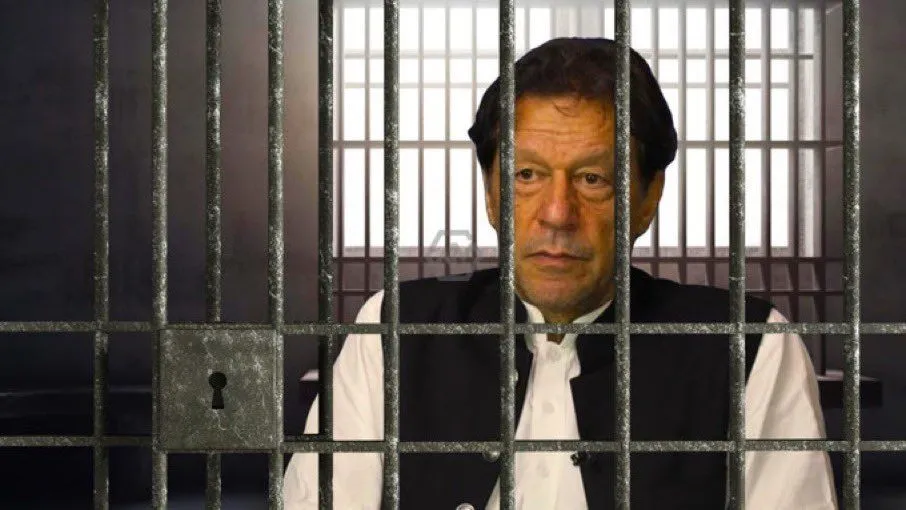
In recent remarks, the brothers described conditions they say amount to a form of mental and physical torture. According to them, Imran Khan is confined to a tiny cell measuring roughly six by eight feet with little to no human contact. They claim he has been denied new books for months, cut off from family communication, and prevented from seeing an independent or neutral doctor.
Sulaiman Khan specifically highlighted an untreated eye condition that went neglected for an extended period. The family believes this has left their father with severe vision loss in one eye. They also reported being informed that he has developed high blood pressure. “More than anything, we just want to speak to him and make sure he’s OK,” one of the sons stated, underscoring the emotional toll of the prolonged separation.
The brothers said they have not been allowed to speak to their father for more than six months. Living in the United Kingdom, they have also faced barriers in traveling to Pakistan to advocate for his release or simply to check on his wellbeing in person.
Allegations of a Personal Vendetta
Central to their account is the claim that the harsh treatment stems from a personal grudge held by General Asim Munir, Pakistan’s army chief and chief of defence forces. The sons argued that the restrictions and isolation are not routine prison measures but are being imposed on Munir’s orders.
They pointed to past tensions between the two men. During Imran Khan’s tenure as prime minister, Munir was reportedly demoted, and the relationship remained strained. Munir assumed the role of army chief in 2022, around the time Khan’s political confrontation with the military establishment intensified. The brothers maintain that this history has translated into particularly severe conditions for their father once he was imprisoned.
Kasim Khan expressed the family’s darkest fear plainly: they believe authorities are trying to slowly kill him in custody. The sons warned that any reduction in international attention could lead to even stricter measures.
Background of Imprisonment
Imran Khan has been held at Adiala prison since his arrest in 2023. He is serving a 14-year sentence related to corruption charges, one of several legal cases that have kept him behind bars. Supporters have long described the prosecutions as politically motivated, while Pakistani authorities maintain that the cases follow due process.
Khan’s imprisonment has been marked by repeated disputes over access to family, lawyers, and medical care. His political party and relatives have frequently alleged solitary confinement and limited contact with the outside world. The current claims from his sons fit into this longer pattern of concern about both his physical health and the conditions of his detention.
Court Scrutiny of Medical Care and Family Access
The sons’ statements come as Pakistan’s Supreme Court examines issues surrounding Khan’s medical treatment and family visits. Earlier court directions had addressed the need for proper examination of his eye condition at a private hospital and for facilitating communication with relatives. Family members and legal representatives have argued that compliance with those orders has been incomplete or delayed.
Authorities have at times transferred Khan for medical checks, including to government facilities, but the family maintains that independent assessment and sustained private care have not been provided as directed. Related proceedings, including questions of contempt and records of hospital transfers, have kept the matter under judicial review.
The legal process highlights the tension between security considerations cited by the state and the rights of a high-profile prisoner to healthcare and family contact. For the sons, the gap between court orders and the reality they describe has only deepened their anxiety.
Broader Implications for Pakistan’s Politics
Imran Khan remains a polarising and influential figure in Pakistani politics. His Pakistan Tehreek-e-Insaf party continues to draw significant public support, and his prolonged detention has become a focal point for debates about the balance of power between civilian leaders and the military establishment.
The involvement of the army chief in the sons’ allegations adds a sensitive dimension. In Pakistan, the military has historically played a decisive role in political outcomes. Accusations of personal motivation behind the treatment of a former prime minister intensify scrutiny of institutional accountability and the rule of law.
International attention has periodically focused on Khan’s case, with human rights organisations and foreign observers raising questions about fair trial standards and prison conditions. The sons have sought to keep that pressure alive, arguing that visibility is one of the few protections available to their father.
A Family’s Plea Amid Uncertainty
Beyond the political and institutional dimensions, the statements from Kasim and Sulaiman Khan reflect a more personal urgency. They are adult sons unable to communicate with their father for half a year, receiving fragmentary and worrying reports about his eyesight, blood pressure, and isolation. Their call is straightforward: allow contact, provide independent medical care, and end what they describe as punitive conditions.
Whether the current court proceedings will lead to meaningful changes in access or treatment remains to be determined. What is clear is that the family believes time is not on their father’s side. At 73, after years in high-security confinement, the cumulative effects of isolation and delayed care are, in their view, becoming life-threatening.
The accusations against Asim Munir and the detailed claims about prison life have once again placed Imran Khan’s detention at the centre of national and international discussion. For his sons, the priority is no longer only political vindication but the basic assurance that their father remains alive and is treated with the medical attention and human contact they say he has been denied. As the legal process continues in Islamabad, the gap between official procedures and the family’s account of suffering continues to define one of Pakistan’s most closely watched political and humanitarian disputes.
Read more – pokerslive.com