No single food can guarantee better egg quality or a successful IVF outcome. Nutrition does, however, influence the metabolic and physiological environment in which the body responds to ovarian stimulation and egg retrieval. What a woman eats in the weeks leading up to the procedure is best viewed as part of overall preparation rather than a method of “boosting” fertility.
Why Nutrition Matters in the Pre-Retrieval Window
Eggs begin maturing roughly 90 days before they are ready for retrieval. While last-minute dietary changes cannot rewrite that entire developmental period, consistent habits in the weeks before stimulation and retrieval can support energy availability, reduce unnecessary inflammation, and help the body cope with the demands of treatment. The aim is steady, realistic support rather than dramatic intervention.
A 2023 evidence-based review published in Frontiers in Nutrition examined multiple nutritional approaches used alongside IVF. It concluded that a Mediterranean-style dietary pattern is the most consistently supported framework for women undergoing ovarian stimulation. This pattern emphasises vegetables, fruits, legumes, whole grains, healthy fats and lean protein while limiting highly processed foods and refined carbohydrates.
Prioritise Adequate Protein
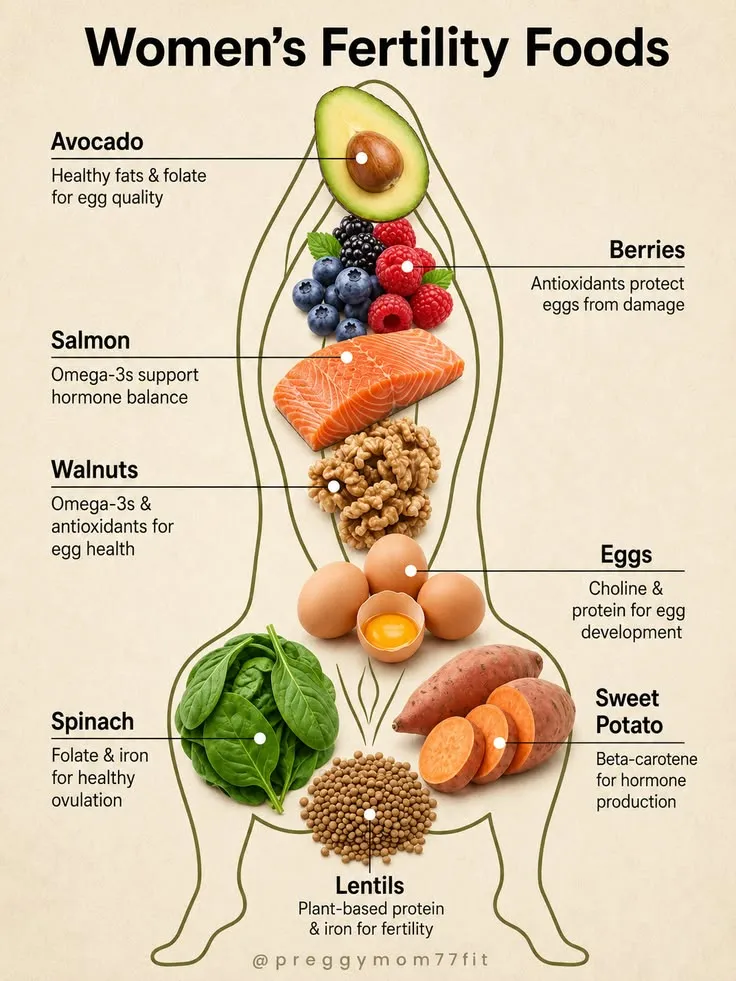
Protein is frequently underestimated in the lead-up to egg retrieval. Both animal and plant sources supply the amino acids needed for tissue maintenance and follicle development during stimulation. Practical options include eggs, fish, lentils, chickpeas, dairy products, paneer, tofu and lean poultry.
Including a source of protein at every meal helps stabilise energy and supports the increased metabolic demand that accompanies hormonal treatment. There is no need for extreme high-protein diets; consistent inclusion across the day is more useful than occasional large portions.
Include Healthy Fats, Especially Omega-3s
Healthy fats play a structural and regulatory role in reproductive physiology. Omega-3 fatty acids, in particular, have been studied in relation to IVF outcomes. A review in Reproductive BioMedicine Online noted that omega-3 free fatty acids may be associated with improvements in certain clinical and embryological parameters.
Accessible sources include fatty fish such as salmon, sardines and mackerel, as well as walnuts, flaxseeds and chia seeds. For those who eat fish, two to three servings of lower-mercury options per week fit well within a Mediterranean-style pattern. Plant sources can be added daily to meals or snacks. The emphasis remains on food first; any consideration of supplements should be discussed with the treating clinician.
Build Meals Around Plants and Whole Grains
Vegetables, fruits, legumes and whole grains form the foundation of the dietary pattern most often linked with better support during fertility treatment. Leafy greens, colourful vegetables, berries, citrus fruits, beans, lentils, oats, brown rice, quinoa and millets provide fibre, micronutrients and antioxidants that help manage oxidative stress and support overall metabolic health.
These foods also contribute to stable blood-sugar responses, which can be helpful during a period when energy levels and appetite may fluctuate. Highly refined carbohydrates and sugary products are better limited, not because they are forbidden, but because they offer fewer of the nutrients the body is drawing on during stimulation.
Practical Swaps for Everyday Eating
Small, sustainable adjustments are more effective than rigid rules. Replacing sugary breakfast cereals with oats topped with nuts and seeds, choosing plain curd with fruit instead of heavily flavoured yogurt, and adding vegetables or an egg to a simple meal are realistic starting points. Homemade chutneys or a squeeze of lemon and herbs can reduce reliance on packaged sauces.
Hydration remains important throughout the stimulation phase. Adequate fluid intake supports circulation and can help manage some of the physical sensations that accompany ovarian stimulation. Water, coconut water and light homemade fluids are generally preferable to sugary drinks.
What to Approach with Caution
Highly processed snacks, deep-fried foods, excessive added sugar and trans fats are best minimised. High-mercury fish should be limited. Alcohol is generally discouraged during active treatment, and caffeine is often moderated according to clinic guidance. These are practical adjustments rather than absolute prohibitions; the overall pattern matters more than any single choice.
Supplements such as folic acid (standard in preconception care), vitamin D (if levels are low), CoQ10 and omega-3s are sometimes discussed in fertility settings. Evidence varies, and decisions should always be made with the medical team overseeing the cycle. Food remains the primary focus of daily preparation.
Framing Expectations Realistically
Nutrition cannot control every variable in an IVF cycle. Age, ovarian reserve, response to medication, laboratory factors and chance all play significant roles. Viewing dietary choices as one supportive element among many reduces pressure and helps maintain a steadier mindset during a demanding process.
Women who already follow a relatively balanced diet may need only modest refinements. Those whose intake has been more irregular can begin with the easiest changes—adding protein to meals, increasing vegetables, choosing whole grains and including sources of healthy fats—without attempting a complete overhaul overnight.
Supporting the Body Through Stimulation
In the final weeks before retrieval, the body is responding to hormonal medication. Meals that combine protein, fibre-rich carbohydrates and healthy fats tend to provide steadier energy and greater comfort. Listening to appetite, avoiding large gaps between meals, and choosing foods that sit well are practical ways to stay nourished when schedules become busier with monitoring appointments.
After retrieval, the focus often shifts toward recovery, hydration and gentle, protein-containing meals, but the habits built in the preceding weeks continue to serve overall well-being.
A Supportive, Not Prescriptive, Approach
The most useful nutrition strategy before egg retrieval is one that is evidence-informed, culturally adaptable and sustainable. A Mediterranean-style pattern—rich in plants, adequate in protein, inclusive of healthy fats and limited in ultra-processed foods—aligns with the strongest available guidance. It does not promise specific results. It simply offers the body a more favourable environment in which to respond to treatment.
Women preparing for egg retrieval benefit most from clear, realistic advice rather than lists of miracle foods. Consistent, moderate habits in the weeks before the procedure form a practical part of overall readiness—one that respects both the science and the lived experience of undergoing fertility treatment.
Read more – huggymonster.com