Video game graphics have transformed dramatically over the years, moving from simple pixel-based visuals to highly realistic digital environments with detailed characters, realistic lighting, and immersive worlds. How game graphics are improved step by step involves a combination of advanced technology, creative design, powerful hardware, and continuous innovation.
For beginners, understanding game graphics development helps explain how developers create visually impressive gaming experiences. Improving graphics is not only about making games look realistic; it also involves creating better performance, smoother gameplay, improved visual storytelling, and a more engaging experience for players.
Understanding the Basics of Game Graphics
Game graphics are the visual elements that players see while playing a video game. These include characters, environments, objects, animations, lighting effects, textures, and special visual effects.
Modern game graphics are created using advanced software tools and game engines that allow developers to design and control digital worlds. Game engines provide essential features such as rendering, physics simulation, animation systems, and visual effects.
Improving graphics requires balancing visual quality with performance. A game may look impressive, but if it does not run smoothly, the overall player experience can suffer. Developers continuously work to achieve the right balance between beauty and efficiency.
Step One: Improving Basic Game Design and Visual Planning
The first stage of improving game graphics begins with proper planning and design. Before creating detailed visuals, developers decide the artistic style, theme, and overall appearance of the game.
Some games focus on realistic graphics, while others choose unique artistic styles such as cartoon, fantasy, or futuristic designs. The visual direction determines how characters, environments, colors, and effects will appear.
Concept artists create early designs and sketches that guide the development process. These designs help developers understand the look and feel of the final game before building detailed digital models.
Step Two: Creating Detailed 3D Models
3D modeling is one of the most important steps in improving game visuals. Developers create digital versions of characters, buildings, vehicles, landscapes, and other objects using specialized modeling tools.
Earlier games used simple shapes and limited details because of hardware restrictions. Modern games use highly detailed models with realistic structures, textures, and complex designs.
Artists carefully create character features, clothing details, environmental elements, and objects to make the game world appear more believable. Advanced modeling techniques allow developers to add small details that improve realism.
Step Three: Enhancing Textures and Surface Details
Textures give objects their appearance and make digital environments feel more realistic. A texture defines how surfaces look, such as the roughness of a wall, the appearance of wood, the details of clothing, or the reflection of metal.
Improved texture quality allows games to display sharper and more realistic visuals. Modern developers use high-resolution textures and advanced techniques to create detailed surfaces.
Texture improvement also helps create atmosphere. For example, weather effects, damaged surfaces, and environmental details can make game worlds feel more dynamic and immersive.
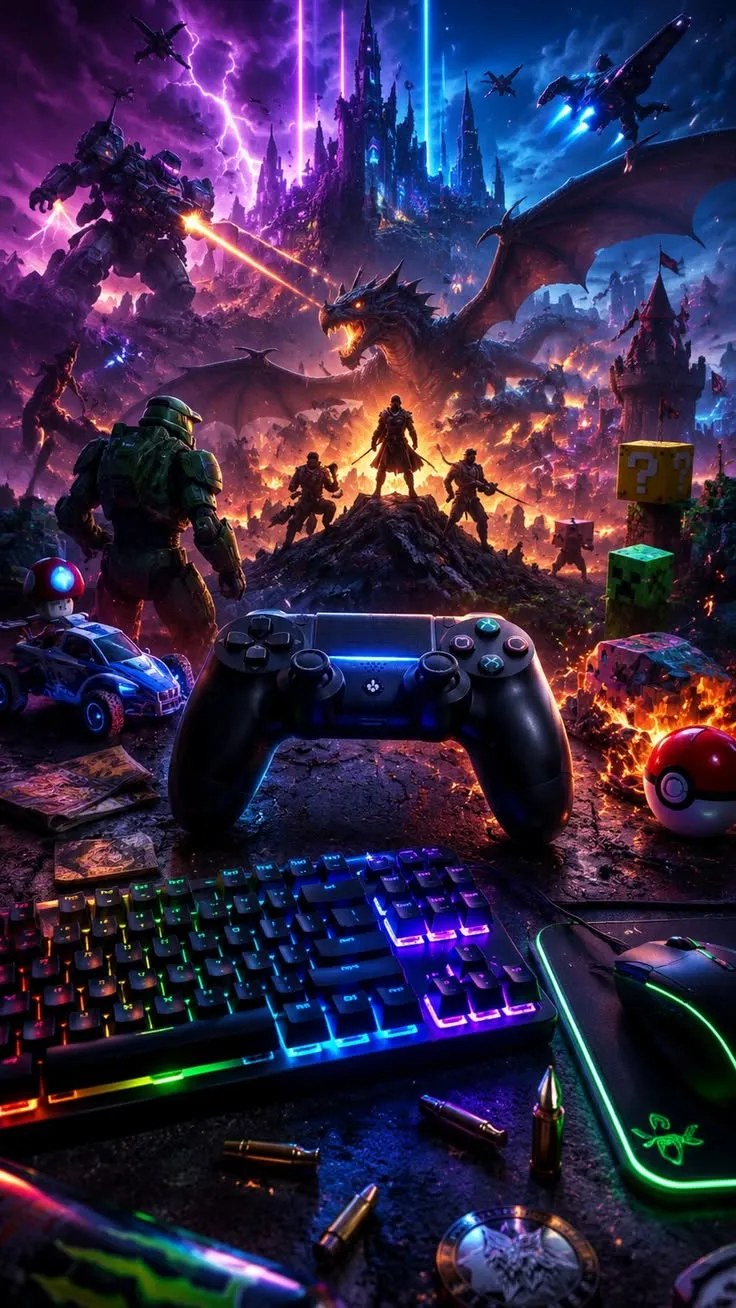
Step Four: Improving Lighting and Shadows
Lighting plays a major role in making game graphics realistic. Proper lighting creates depth, mood, and atmosphere within a virtual environment.
Early games had simple lighting systems with limited shadow effects. Modern games use advanced lighting techniques to create realistic reflections, shadows, and environmental effects.
Dynamic lighting allows changes based on time, weather, and player actions. Realistic shadows help objects appear connected to their surroundings, making digital worlds feel more natural.
Step Five: Developing Realistic Animations
Graphics are not only about appearance; movement also affects how realistic a game feels. Animation quality determines how characters, objects, and environments behave.
Developers improve animations by creating smoother movements, realistic body reactions, facial expressions, and natural interactions between objects.
Modern games often use advanced animation techniques to make characters move more naturally. Improved animations enhance storytelling and help players feel more connected to the game world.
Step Six: Adding Advanced Visual Effects
Special visual effects make games more exciting and realistic. These effects include explosions, smoke, fire, water movement, weather conditions, particles, and environmental changes.
Modern graphics technology allows developers to create complex effects that react naturally to gameplay situations.
For example, realistic water movement, changing weather, and detailed environmental effects can make virtual worlds feel alive. These improvements increase immersion and create more engaging experiences for players.
Step Seven: Using Advanced Rendering Technology
Rendering is the process of creating the final images that players see on their screens. Improved rendering technology allows games to display more detailed graphics while maintaining smooth performance.
Modern rendering methods improve image quality, lighting accuracy, reflections, and visual realism. Developers continuously improve rendering techniques to create better graphics without reducing gameplay performance.
Game engines play a major role in this process by providing tools that help developers create, optimize, and display complex visuals efficiently.
Step Eight: Optimizing Graphics for Better Performance
Creating beautiful graphics is only one part of game development. Developers must also ensure that games run smoothly on different devices.
Graphics optimization involves reducing unnecessary processing, improving loading times, and adjusting visual settings according to hardware capabilities.
Optimization allows players with different systems to enjoy games without major performance issues. Developers carefully manage resources to achieve a balance between high-quality visuals and smooth gameplay.
The Role of Artificial Intelligence in Game Graphics
Artificial intelligence is becoming increasingly important in improving game graphics. AI-based tools can assist developers in creating realistic environments, improving animations, enhancing image quality, and reducing development time.
AI technologies can help generate detailed designs, improve textures, and create more realistic visual effects. These advancements are changing the way developers approach game creation.
Although AI supports the development process, human creativity remains essential for designing unique worlds and memorable gaming experiences.
Future of Game Graphics Development
The future of game graphics will continue to focus on realism, efficiency, and immersion. Improvements in hardware, software, artificial intelligence, and rendering technologies will allow developers to create even more detailed and interactive worlds.
Future games may feature highly realistic environments, advanced character animations, and more responsive digital experiences. As technology continues to improve, the difference between virtual and real-world visuals may become increasingly smaller.
Conclusion
Understanding how game graphics are improved step by step reveals the complex process behind modern video game visuals. From planning designs and creating 3D models to improving textures, lighting, animations, and performance optimization, every stage contributes to creating better gaming experiences.
Game graphics improvement is a continuous process that combines technology, creativity, and innovation. As developers continue exploring new tools and techniques, players can expect more realistic, immersive, and visually impressive games in the future.