The game development process is a complex journey that transforms a creative idea into an interactive digital experience. From designing characters and creating game mechanics to programming, testing, and launching the final product, every stage requires careful planning, creativity, and technical expertise.
The gaming industry has grown significantly with advancements in technology, improved development tools, and increasing demand for interactive entertainment. Today, games are created for multiple platforms, including computers, consoles, smartphones, and cloud-based systems.
Understanding the complete game development process helps beginners, aspiring developers, and gaming enthusiasts understand how ideas become playable experiences. A successful game is not created only through coding; it requires collaboration between designers, artists, programmers, writers, testers, and other professionals.
What Is Game Development?
Game development is the process of designing, creating, testing, and releasing a video game. It combines various fields, including software development, visual design, storytelling, sound production, animation, and user experience design.
A game development team works together to create gameplay experiences that are engaging, functional, and enjoyable for players.
The process involves several stages, starting from the initial concept and continuing through development, testing, marketing, and post-launch improvements.
Stage 1: Creating the Game Idea and Concept
Every game begins with an idea. The concept stage is where developers define the basic vision of the game, including its theme, gameplay style, target audience, and unique features.
During this stage, creators decide what type of game they want to build. It may be an action game, role-playing game, strategy game, simulation game, puzzle game, or another genre.
Developers also consider important questions such as what makes the game unique, who will play the game, what experience players should have, and what platforms will support the game.
A strong concept provides direction for the entire development process and helps the team understand the purpose behind creating the game.
Stage 2: Game Design and Planning
After creating the basic concept, developers move into the game design phase. This stage focuses on defining how the game will work and what kind of experience it will provide to players.
Game designers create detailed plans that explain gameplay mechanics, character abilities, level structures, rules, objectives, and player interactions.
During this phase, developers decide how players will progress through the game, how challenges will be created, how rewards will work, and how the overall experience will remain engaging.
A detailed game design plan helps the development team maintain a clear direction and reduces confusion during production.
Stage 3: Choosing the Right Game Engine
A game engine is the software framework used to create and operate a video game. It provides tools for graphics, physics, animation, audio, and programming.
Choosing the right game engine depends on factors such as the type of game, platform requirements, project size, and development team experience.
A suitable engine allows developers to create realistic visuals, smooth gameplay, and efficient development processes.
The technology selected during this stage can influence the performance, quality, and overall success of the final game.
Stage 4: Creating Game Art and Visual Design
Visual design is one of the most important elements of game development because it creates the look and atmosphere of the game world.
Artists develop characters, environments, objects, animations, and visual effects that make the game more engaging. The process may include creating concept designs, developing 2D or 3D models, adding textures, and designing animations.
Game artists work closely with designers to ensure that the visuals match the story, theme, and gameplay style.
High-quality visuals help players connect with the game world and improve the overall gaming experience.
Stage 5: Programming and Development
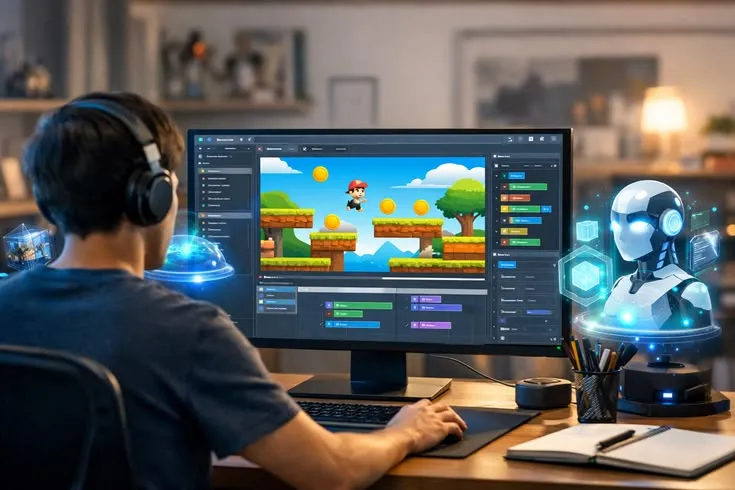
Programming is the stage where game ideas become functional experiences. Developers write code that controls gameplay systems, character movements, artificial intelligence, physics, user interfaces, and other interactive features.
Programmers ensure that different parts of the game work together properly and provide smooth performance.
This stage often involves solving technical problems, improving efficiency, and integrating elements such as graphics, sound, and gameplay mechanics.
Programming transforms creative concepts into playable digital experiences.
Stage 6: Creating Sound and Music
Sound design plays a major role in creating emotional and immersive gaming experiences. Audio developers create background music, sound effects, character voices, and environmental sounds.
The right audio can increase excitement, create atmosphere, and make game environments feel more realistic.
For example, adventure games may use atmospheric music to support exploration, while action games may use intense sound effects to increase excitement.
A strong audio experience improves player engagement and makes the game more memorable.
Stage 7: Testing and Quality Assurance
Testing is an essential stage that ensures the game works properly before release. Quality assurance teams carefully examine the game to identify bugs, technical problems, performance issues, and gameplay challenges.
Testing focuses on checking whether controls work correctly, graphics perform smoothly, loading times are acceptable, and the game provides a positive user experience.
Developers use feedback from testers to fix problems and improve the quality of the final product.
A properly tested game provides players with a smoother and more enjoyable experience.
Stage 8: Improving Gameplay Through Feedback
Feedback helps developers understand how players experience the game. Testers, early users, and gaming communities can provide valuable opinions about gameplay, difficulty, controls, and overall enjoyment.
Developers use this information to make improvements and create a better experience.
Listening to feedback allows developers to identify problems that may not be visible during internal testing.
Player feedback is an important part of creating games that connect successfully with audiences.
Stage 9: Preparing for Game Launch
Before releasing a game, developers complete final improvements and prepare the product for players.
The launch preparation stage includes final testing, performance optimization, platform approvals, promotional activities, and community engagement.
A successful launch requires both a high-quality game and effective communication with potential players.
Marketing and awareness-building efforts help attract attention and create interest before release.
Stage 10: Releasing the Game
The launch stage is when the game becomes available to players through digital platforms, online stores, or physical distribution channels.
After release, developers monitor player reactions, technical issues, and performance reports.
The launch is not always the final stage of development. Many successful games continue receiving updates, improvements, and additional content after release.
Post-Launch Support and Updates
Many games require continuous support after launch to maintain quality and player interest.
Developers release updates to fix bugs, improve performance, add new features, and respond to player feedback.
Long-term support may include additional content, new characters, improved gameplay systems, and special events.
Post-launch development helps extend the lifespan of a game and keeps players engaged.
Challenges in Game Development
Game development involves several challenges, including technical difficulties, limited resources, changing player expectations, and strict deadlines.
Developers must balance creativity with practical limitations. Creating a successful game requires careful planning, teamwork, and problem-solving.
Large game projects may require years of development and coordination between multiple teams. Effective management is necessary to ensure that the project stays on track.
Importance of Teamwork in Game Development
Professional game development usually involves collaboration between different experts. Designers, programmers, artists, writers, animators, sound specialists, testers, and project managers all contribute to creating a complete gaming experience.
Each team member has an important role in transforming an idea into a finished product.
Strong communication and teamwork are essential because game development involves combining many different creative and technical elements.
Future Trends in Game Development
The future of game development continues to evolve with advancements in technology. Artificial intelligence, virtual reality, augmented reality, cloud gaming, and advanced graphics systems are changing how games are created and experienced.
Artificial intelligence is helping developers create smarter characters, improve testing processes, and design more dynamic game environments.
Future games are expected to become more realistic, interactive, and personalized as technology continues to improve.
Frequently Asked Questions (FAQs)
How long does it take to develop a video game?
The time required to develop a game depends on its size, complexity, platform, and available resources. Small games may take several months, while large projects can require multiple years.
What skills are needed for game development?
Game development requires skills in programming, design, animation, storytelling, problem-solving, creativity, and teamwork.
Can a single person create a video game?
Yes, individual developers can create smaller games independently. However, large and complex games usually require a team of professionals with different skills.
Conclusion
The game development process is a combination of creativity, technology, planning, and teamwork. Every stage, from developing the initial idea to launching and improving the final product, plays an important role in creating a successful gaming experience.
A great game requires thoughtful design, skilled programming, artistic creativity, detailed testing, and continuous improvement.
As technology continues to advance, game development will become even more innovative, creating exciting opportunities for developers and delivering increasingly immersive experiences for players around the world.