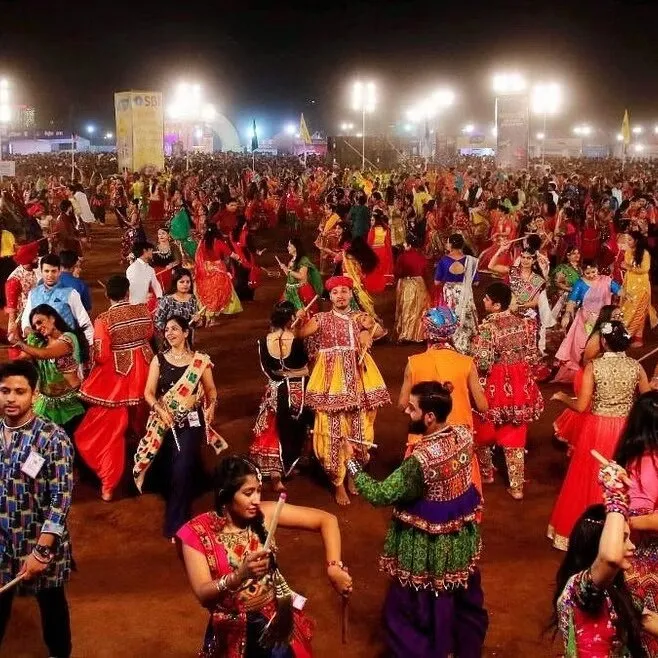
Garba is one of the most joyful and energetic expressions of Navratri celebrations. The continuous circular movements, rhythmic steps and hours of dancing create an atmosphere of collective energy. Yet in recent years, doctors have repeatedly noted cases of sudden cardiac emergencies during these sessions, including among young people who appeared completely healthy. Understanding the physiological demands of the dance and the hidden risks involved can help participants enjoy the festivities more safely.
The Physical Demands of Continuous Garba
Garba is not a light recreational activity. It involves sustained, repetitive high-intensity movement that can last several hours with limited rest. During such vigorous activity the heart rate rises significantly to supply oxygen-rich blood to working muscles. Blood pressure increases and the heart’s oxygen demand goes up sharply.
For people who lead largely sedentary lives or exercise only occasionally, this sudden jump in physical demand places considerable stress on the cardiovascular system. Cardiologists explain that the activity level during intense Garba sessions is often far higher than what most participants experience in their daily routine. The combination of prolonged exertion, heat, crowding and late-night timing can further amplify the strain.
Why Seemingly Healthy Young People Are Affected
One of the most important factors is the presence of undiagnosed heart conditions. Certain disorders of the heart muscle, inherited electrical abnormalities and structural issues can remain silent for years. These conditions may produce no symptoms during ordinary daily activities yet become dangerous under intense physical stress.
In young people, sudden cardiac events during high-intensity activity are often linked to genetic or congenital factors rather than the typical lifestyle-related heart disease seen in older adults. Intense exertion can trigger abnormal heart rhythms that disrupt the heart’s pumping action and, in severe cases, lead to cardiac arrest. Dehydration, which is common during long sessions of energetic dancing, can worsen the situation by affecting blood pressure, circulation and electrolyte balance.
Additional contributing elements include disrupted sleep patterns during festival nights, consumption of heavy or oily food, and the stimulating effect of loud music and excitement, all of which can raise heart rate and blood pressure.
Warning Signs That Require Immediate Attention
Doctors emphasise that certain symptoms should never be ignored during or after Garba. These include:
-
Chest pain, pressure or tightness
-
Unusual breathlessness that does not ease with rest
-
Palpitations or a racing, irregular heartbeat accompanied by other discomfort
-
Sudden dizziness, light-headedness or near-fainting
-
Cold sweating, nausea or unexplained extreme weakness
Any of these signs warrant stopping the activity at once and seeking medical evaluation. What may feel like ordinary tiredness after dancing can sometimes indicate a more serious problem.
Practical Precautions for Safer Participation
Cardiologists recommend several practical steps. Individuals who are not regularly active should gradually increase their fitness in the weeks leading up to Navratri rather than launching into prolonged high-intensity sessions without preparation. Staying well hydrated before, during and after dancing is essential. Short rest breaks every 30 to 45 minutes help the body recover.
Those with known risk factors such as high blood pressure, diabetes, obesity, a family history of heart disease or previous cardiac symptoms should consult a doctor before participating in vigorous Garba. A basic cardiac check-up, including an electrocardiogram and blood pressure assessment, can provide useful information, especially for people above 30 or those with hereditary concerns.
Warm-up and cool-down periods, lighter clothing, and avoiding extreme late-night sessions after inadequate sleep further reduce risk. Listening to the body and stopping at the first sign of discomfort remains one of the most effective safeguards.
Role of Organisers and Emergency Preparedness
Large Garba venues can play an important part in safety. Availability of trained first-aid personnel, cardiopulmonary resuscitation (CPR) capability and automated external defibrillators can make a critical difference if a cardiac emergency occurs. Clear protocols for rapid response and easy access for emergency medical services help improve outcomes.
Balancing Celebration with Caution
Most people can enjoy Garba without serious problems. The majority of participants experience only the positive benefits of physical activity and social connection. The rare but serious cardiac events that do occur highlight the importance of recognising individual limits and underlying health status.
By understanding the intensity of the activity, remaining attentive to warning signs, maintaining hydration and seeking medical advice when appropriate, participants can significantly lower their risk. Festive energy and physical caution need not be in conflict. With sensible preparation and awareness, the joy of Garba can continue while the likelihood of preventable emergencies is reduced.
Read more – personlifebio.com