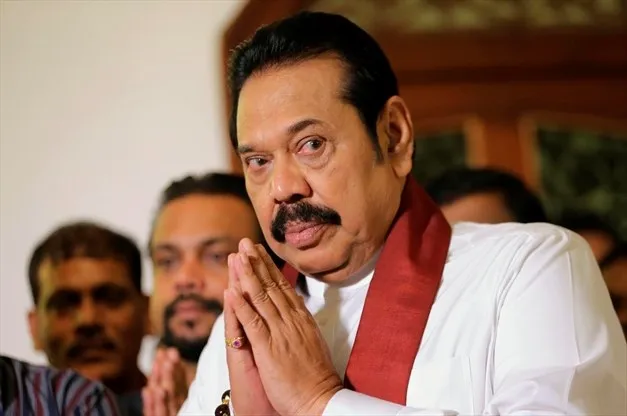
Sri Lanka’s former President Mahinda Rajapaksa was admitted to a private hospital in Colombo on Monday for urgent medical care. The 80-year-old leader is being kept under observation in the intensive care unit, according to statements from his political party, the Sri Lanka Podujana Peramuna. The hospitalisation comes at a time when members of his family are facing separate legal proceedings related to alleged financial irregularities.
Reports indicate that Rajapaksa experienced a sudden health issue at his residence in Kirulapone before being taken to Nawaloka Private Hospital. A team of specialist doctors is overseeing his treatment. While some accounts described the situation as a cardiac-related emergency requiring intensive care, sources close to the former president later indicated that medical examinations had been conducted and that his condition was being monitored closely. One statement from his team described the visit as a medical checkup and denied that the situation was critically serious, emphasising that he remained stable.
Context of the Hospitalisation
Mahinda Rajapaksa served as President of Sri Lanka from 2005 to 2015 and later held the position of Prime Minister. He remains a significant figure in the country’s political landscape, particularly within the Sri Lanka Podujana Peramuna, which continues to regard him as a central leader. His presidency is most widely associated with the military defeat of the Liberation Tigers of Tamil Eelam in 2009, which ended nearly three decades of civil conflict.
At the age of 80, any sudden medical episode naturally attracts public and political attention. Details about the precise nature of his condition have remained limited. Official updates from the party confirmed the admission and the decision to place him under observation in intensive care. Further information on the results of tests or the expected duration of his stay has not been released in detail.
Family Legal Proceedings
The hospitalisation coincides with ongoing legal matters involving Rajapaksa’s immediate family. His wife, former First Lady Shiranthi Rajapaksa, was remanded last week in connection with an investigation into the alleged misuse of public funds. The case centres on allegations that funds obtained from the National Savings Bank, originally linked to a request for medical equipment for a children’s hospital, were directed toward other purposes. Investigators have examined the role of the Siriliya Saviya organisation associated with her. She has denied wrongdoing. A bail application related to her case was scheduled for consideration, and anticipatory bail requests had earlier been rejected by the court.
Their elder son, Namal Rajapaksa, a Member of Parliament and senior figure in the opposition Sri Lanka Podujana Peramuna, was remanded in September in connection with a separate investigation into alleged financial wrongdoing. The broader pattern of inquiries forms part of an intensified anti-corruption effort that has gained momentum in recent years, particularly after the economic crisis of 2022 and the subsequent change in government.
These parallel developments have kept the Rajapaksa family under sustained public scrutiny. While the former president himself has not been the subject of the most recent remand actions involving his wife and son, the cumulative legal pressure on the family has been a consistent feature of the political environment.
Political and Public Significance
Mahinda Rajapaksa’s health carries political weight because of his enduring influence within sections of the electorate and his party. Even after leaving the highest offices, he has remained a symbolic and organisational reference point for the Sri Lanka Podujana Peramuna. Any prolonged absence from public view or active political engagement would therefore be noted by supporters and opponents alike.
At the same time, the timing of the hospitalisation against the backdrop of family legal cases has inevitably drawn commentary linking the two developments. Party statements have focused on the medical situation itself rather than drawing political connections. Independent reporting has noted both the health event and the concurrent legal processes without establishing a direct causal relationship between them.
Sri Lanka’s political culture has long featured prominent families and extended periods of influence. The current phase of investigations into past administrations reflects a broader demand for accountability that intensified after the country’s severe economic difficulties. How these cases proceed through the courts will continue to shape public perceptions of governance and institutional independence.
Medical Observation and Next Steps
As of the latest available information, Mahinda Rajapaksa remains under medical observation. Hospital authorities and family representatives have not issued extensive public updates beyond confirming the admission and the intensive care placement. In cases involving elderly patients with sudden symptoms, extended monitoring is standard practice to assess underlying causes and stabilise any immediate concerns.
The former president had reportedly undergone medical examinations in the days preceding the admission. Whether those earlier tests were related to the Monday episode has not been clarified. The combination of advanced age and the reported nature of the emergency explains the decision to place him in an intensive care setting for close supervision.
Public interest in his condition is likely to remain high in the coming days. Updates from the hospital or the party will be closely followed, particularly given the parallel legal developments involving Shiranthi and Namal Rajapaksa. For now, the priority remains the medical assessment and care of the former head of state.
Mahinda Rajapaksa’s admission to hospital underscores the intersection of personal health, family circumstances and political history that often characterises the later years of long-serving public figures. As doctors continue their observation and the legal processes involving his family move forward, both the medical outcome and the broader institutional context will remain matters of national attention in Sri Lanka.
Read more – brandownerdetail.com