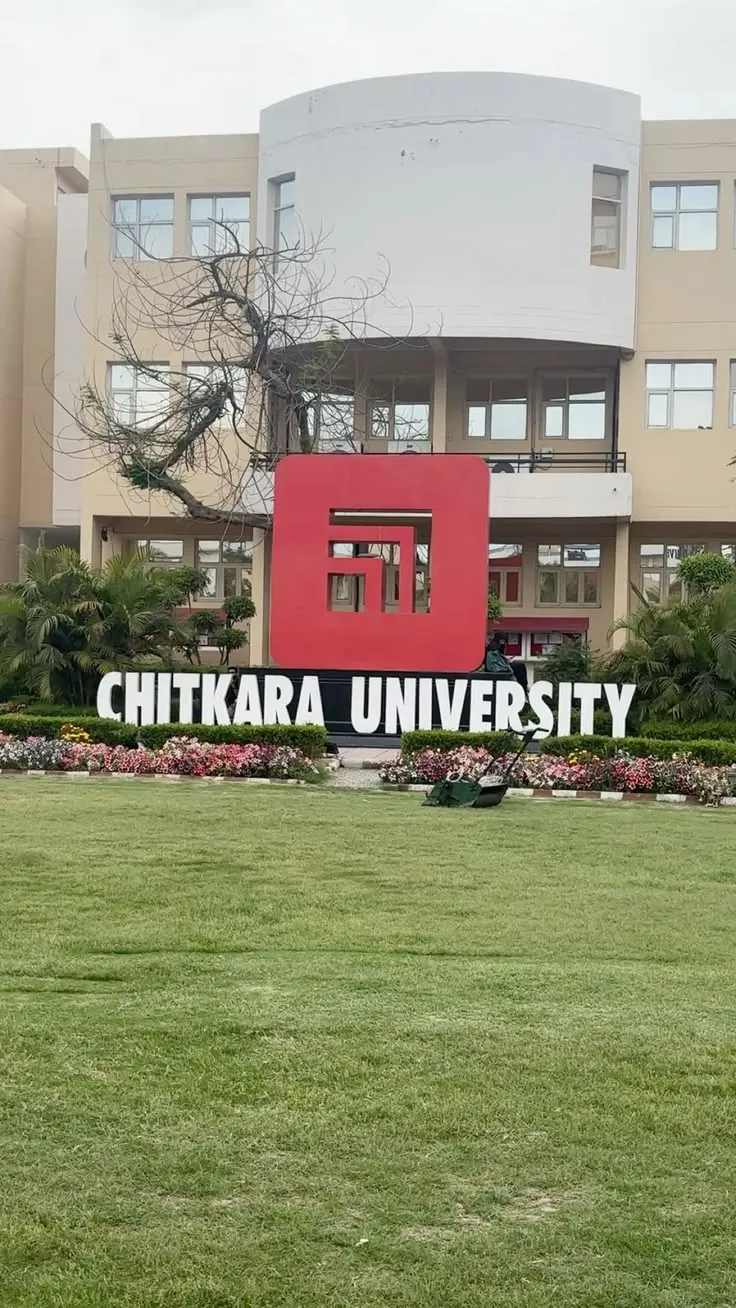
Chitkara University in Punjab’s Patiala district has temporarily suspended regular academic activities until October 1 following student protests driven by unverified claims that spread rapidly on social media. The university has described the period from September 28 to October 1 as “Non-Teaching Working Days” for administrative reasons, while clarifying that faculty and staff must continue reporting for duty.
What the University Announced
In an official communication issued on Sunday, the university stated that academic activities would remain suspended for four days. The decision does not apply to teaching and non-teaching staff, who have been directed to attend campus and perform administrative responsibilities as usual. Because October 2 is a national holiday and October 3–4 falls on the weekend, regular classes are scheduled to resume on October 5.
The move comes in the immediate aftermath of campus unrest that began late on the night of September 25 and continued into the early hours of the following day. University authorities have linked the suspension to the need to restore normalcy and address administrative requirements arising from the protests.
How the Unrest Began
The protests were triggered by a series of unverified messages circulating among students. Claims alleged that two female students from the girls’ hostel were missing or had died by suicide. Additional elements of the rumour included reports of screams heard from the hostel, the presence of ambulances on campus, and references to a “ghost” supposedly linked to an earlier alleged suicide of a student.
These messages spread quickly through student groups on social media and messaging platforms. Hundreds of hostel residents gathered, demanded clarification from the administration, and sought access to CCTV footage. The situation escalated, leading to damage to university property, vandalism of police vehicles, and reports of an officer being manhandled. Additional police forces were called in to bring the campus under control.
Official Response and Fact-Checking
Both the university administration and local police have stated that the core claims are unfounded. University officials, including the registrar, have publicly confirmed that no suicide or death occurred at the girls’ hostel and that the circulating reports are false. An ambulance that arrived in the early hours of September 24 was linked to a student returning from hospital treatment, not to any fatality.
Patiala police reported that no student deaths or suicides had been registered from the campus. Medical authorities at the local civil hospital confirmed that no post-mortem examination involving a Chitkara University student had been conducted in recent days. When students raised allegations of two missing girls, they were unable to provide names, photographs or other identifying details. Police have initiated an inquiry to examine the origin and spread of the claims.
Some accounts have traced the initial panic to a prank involving horror sounds played inside the hostel area a few days earlier, which later evolved into broader rumours about supernatural activity and missing students.
Context of Campus Tensions
The episode highlights how quickly unverified information can travel within large residential university communities and how readily it can escalate into collective action. Hostels house large numbers of students living in close proximity, making them particularly sensitive to circulating stories, especially those involving safety or loss of life. Once anxiety takes hold, demands for transparency—such as immediate access to surveillance footage—often intensify.
At the same time, universities and law-enforcement agencies face the challenge of responding to genuine student concerns while preventing the amplification of false information. In this case, the absence of any confirmed incident of death or disappearance has been stated clearly by both the institution and the police. Investigations into the circumstances of the protest, including damage to property and the conduct of individuals involved, remain ongoing.
What Happens Next
With classes suspended until October 1 and the subsequent holiday period, the university has created a short window to stabilise the campus environment. Faculty and staff presence on non-teaching working days allows administrative processes to continue while students remain away from regular academic schedules. Classes are expected to restart on October 5, provided the situation remains calm.
For students and parents, the official position is unambiguous: no deaths or missing-student cases have been substantiated. Police continue to examine how the rumours originated and spread. The university has urged the community not to give weight to unverified stories and to rely on official channels for information.
Broader Lessons on Information and Campus Safety
Incidents of this nature underline the importance of rapid, transparent communication from university administrations when anxiety takes hold. They also illustrate the speed with which social media can convert incomplete or fabricated claims into large-scale mobilisation. In an environment where thousands of young people live and study together, even baseless rumours can produce real consequences—disrupted academics, property damage, strained relations with authorities and heightened fear.
Chitkara University’s decision to pause teaching for a few days is an administrative response aimed at de-escalation. The coming days will test whether calm can be restored and whether the inquiry into the events of September 25 yields clarity on how the unrest began. Until then, the verified facts remain limited but consistent: no student deaths have been confirmed, no missing persons have been established, and academic activities have been temporarily adjusted to allow the institution to manage the aftermath.
Read more – Penalcodedetail.com