Fashion has always looked backward for inspiration, yet the current vintage revival stands out for its depth and reach. Across runways, high-street collections and everyday wardrobes, silhouettes, fabrics and details drawn from past decades are being reworked into wearable modern outfits. From 1970s bohemian fluidity to 1990s denim and archival luxury pieces, retro references no longer appear as costume. Instead they are integrated into contemporary dressing with refined proportions, updated materials and a clear sense of personal style.
Why Vintage Styles Are Resurging Now
Several forces drive the renewed interest in earlier eras. Younger consumers, particularly those who did not live through the original periods, approach past styles with fresh eyes and a desire for uniqueness. Social media accelerates rediscovery, turning archival images and thrift finds into widespread inspiration almost overnight. At the same time, established brands are revisiting their own histories. Creative directors are examining logos, fabrics and signature shapes from earlier decades and reinterpreting them for current audiences. This archival turn offers both continuity and novelty, allowing labels to reconnect with heritage while remaining relevant.
Sustainability also plays a role. Genuine vintage pieces extend the life of existing garments, while modern designs that borrow from the past often emphasise quality construction and longevity over fleeting trends. The result is a fashion landscape that values character and story as much as newness.
Key Decades Influencing Current Looks
Different decades contribute distinct elements that appear throughout modern collections. The 1970s remain especially influential. Fluid, billowing dresses in light fabrics, soft colour palettes and bohemian details have returned strongly. Designers have presented airy chiffon pieces, relaxed silhouettes and a sense of easy movement that feels contemporary rather than strictly period. Footwear has followed, with stacked and suede boots echoing the era while pairing comfortably with today’s skirts and trousers.
The 1980s bring bolder energy. Power shoulders, oversized proportions, animal prints, polka dots and maximalist accessories appear on runways and in ready-to-wear. These elements are often tempered with cleaner lines or unexpected fabric combinations so the look avoids pure pastiche. Denim-on-denim, structured jackets and eye-catching details offer ways to introduce the decade’s confidence without overwhelming an outfit.
The 1990s continue their strong presence. Oversized silhouettes, graphic elements, baggy or high-waisted denim and layered casual pieces remain popular. At the same time, a quieter return of more fitted styles, including skinny jeans, signals that the decade’s range is being fully explored again. Modern versions frequently refine the original proportions or pair them with current footwear and outerwear for balance.
Earlier periods also surface. Interest in antique and Belle Époque-inspired pieces has grown among those seeking something more distinctive. Sheer fabrics, delicate beading, corsetry worn as outerwear and ornate robes appear in both high fashion and selective personal wardrobes. Art Deco influences bring geometric patterns, fringe, feathers and metallic textures into evening and statement dressing. Mid-century and 1940s tailoring provide structured alternatives for professional and polished day looks.
How Retro Elements Enter Modern Outfits
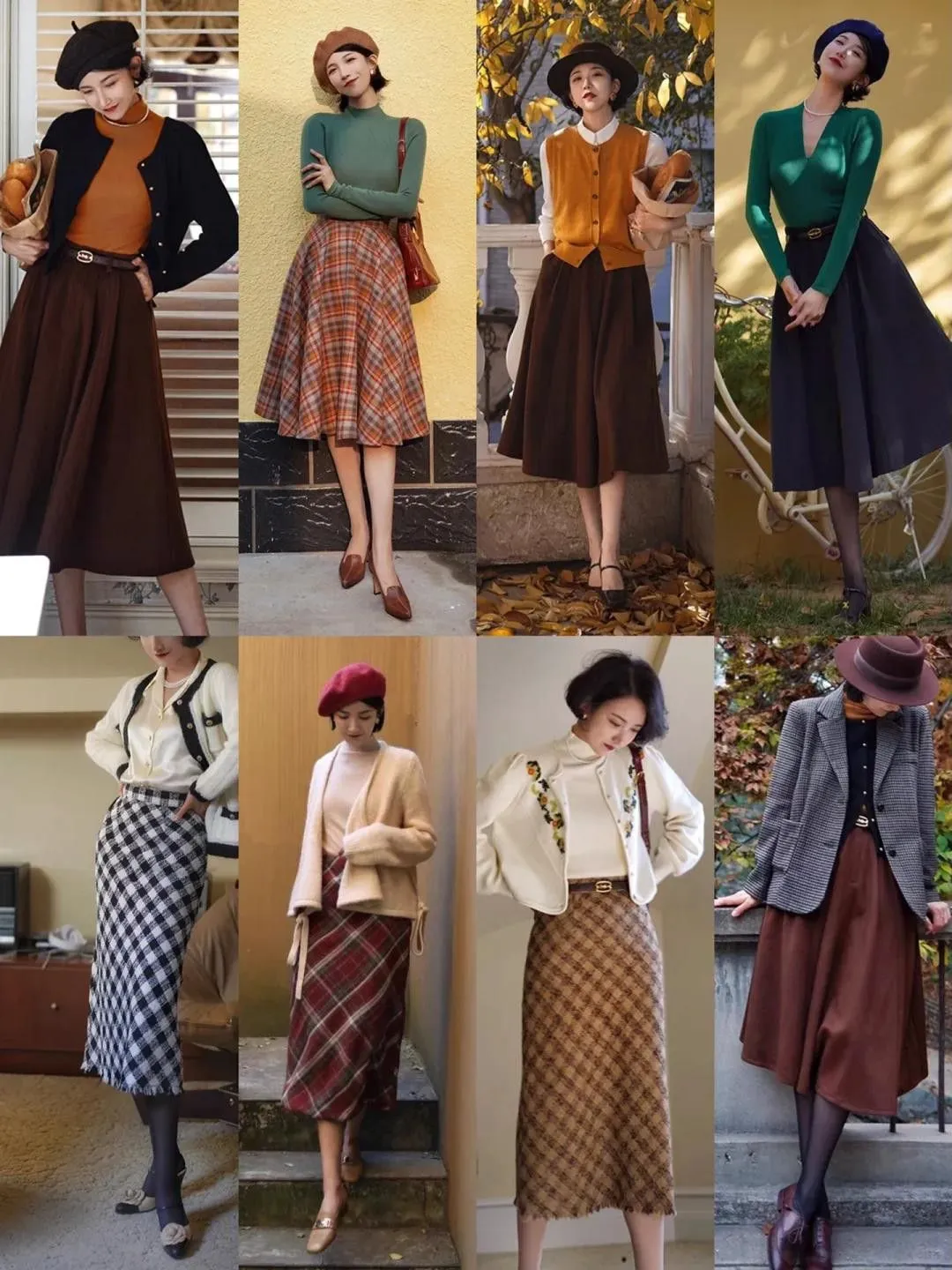
The most successful contemporary interpretations avoid dressing entirely in one era. Instead, a single strong vintage-inspired piece anchors an outfit while the rest remains current. A fluid 1970s-style dress might be worn with modern boots and a structured bag. An oversized 1980s-inspired blazer pairs with slim trousers and simple footwear. High-waisted or baggy denim from the 1990s vocabulary works with a clean knit and contemporary outerwear.
Mixing eras has become a deliberate styling principle. One silhouette defines the overall feeling while details from another decade add interest. A tailored 1940s-inspired jacket might sit over a softer 1970s print, or a modern basic top can ground an ornate vintage skirt. This approach keeps the look personal and wearable rather than theatrical.
Luxury houses reinforce the trend by revisiting their archives. Updated logos that reference original typefaces, classic plaids reworked into new shapes, and reinterpretations of signature bags or silhouettes demonstrate how heritage can feel fresh. The skeleton of the original design stays recognisable while materials, proportions or details receive contemporary treatment.
Practical Ways to Incorporate the Revival
Building a wardrobe that reflects the vintage revival does not require a complete overhaul. Start with one or two key pieces that feel authentic to personal taste. A well-cut blazer with subtle power-shoulder structure, a fluid midi dress, a pair of high-quality jeans in a retro proportion, or a statement boot can serve as versatile foundations. Pair these with neutral basics already owned so the vintage element stands out without dominating.
Quality and fit remain essential. Vintage and vintage-inspired garments often reward careful alteration. A slightly adjusted shoulder, hem or waist transforms a good find into something that looks intentional. When shopping new, look for thoughtful construction and fabrics that echo the character of earlier decades while meeting modern comfort expectations.
Accessories offer low-commitment entry points. A structured bag with archival references, statement jewellery with geometric or ornate details, or footwear that nods to a specific era can shift an otherwise simple outfit. Consistency of colour palette helps the elements feel cohesive even when decades mix.
The Broader Appeal of Looking Back
The vintage revival ultimately reflects a desire for clothing with presence and personality. In a period of rapid trend cycles, pieces that carry visible history or thoughtful historical reference offer a sense of permanence. They allow wearers to express individuality while participating in a shared cultural conversation about style across time.
Designers and consumers alike continue to dig through archives and thrift sources, not to recreate the past exactly but to extract what still feels vital. The most compelling modern outfits that emerge from this process balance recognition with reinvention. A familiar silhouette appears in a new fabric, a classic print meets unexpected proportions, or an antique detail is worn with contemporary ease. In this way, retro styles do more than inspire. They actively shape the clothes people choose to wear every day, proving that fashion’s future often begins by looking carefully at what has already been.
Read more – Aeshikshakosh.com